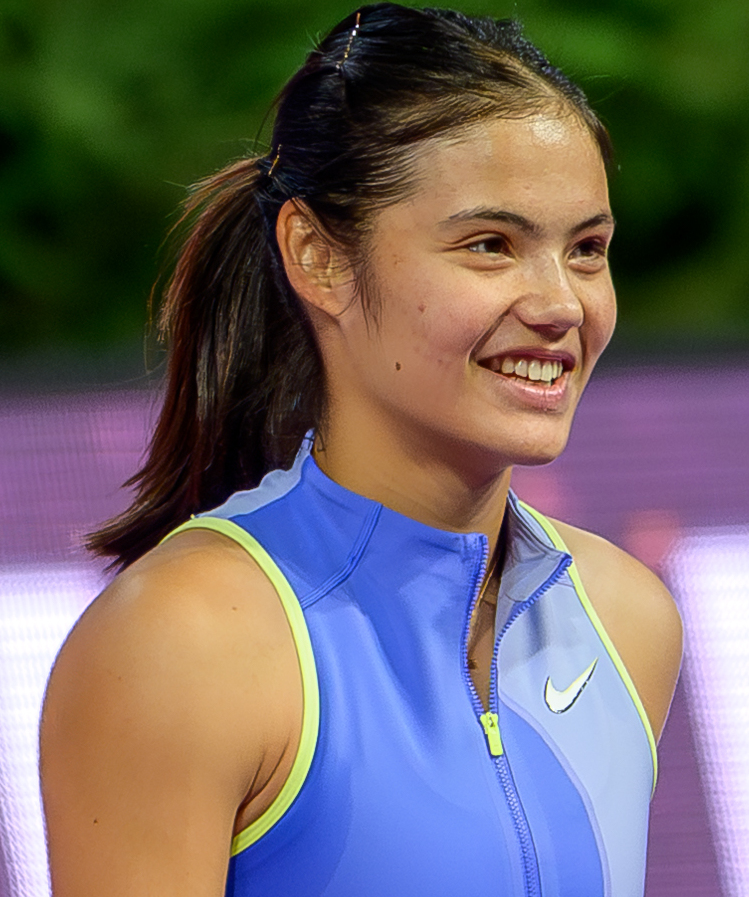
Emma Raducanu's Unique Coaching Conundrum: Why a Full-Time Commitment Isn't Always the Answer
Since her fairytale victory at the 2021 US Open, Emma Raducanu's journey in professional tennis has been a constant subject of discussion, not least concerning her ever-evolving coaching situation. While many elite athletes settle into long-term partnerships with a single mentor, Raducanu has adopted a notably different and often scrutinized approach. Her recent statements reveal a deep-seated wariness of committing to a full-time coach, driven by a desire to rediscover her innate playing style and navigate the immense pressure of public scrutiny. This strategy, while unconventional, offers valuable insights into the complex dynamics of high-performance sport.
The Quest for Instinct: Prioritizing Raducanu's Natural Game
At the heart of Emma Raducanu's current `raducanu coaching` philosophy is a compelling desire to reconnect with her authentic self on the court. She candidly admitted feeling that her natural way of playing had been "coached out of me a little bit." This is a significant revelation for an athlete who, at just 18, burst onto the scene with a seemingly effortless, free-hitting style that captivated the world and earned her a Grand Slam title as a qualifier.
The experience of working with numerous coaches – a staggering seven full-time mentors since her US Open triumph, with Francisco Roig being the latest whose partnership ended due to playing style disagreements – has, it seems, led to a degree of tactical overload. Raducanu’s objective now is to strip away these layers of instruction and find her way back to the instinctive, unburdened tennis that brought her initial success.
This isn't about rejecting expert advice entirely, but rather about filtering it through her own feel for the game. She seeks guidance that enhances, rather than dictates, her fundamental approach. For Raducanu, true progress lies in understanding her own game deeply and trusting her instincts under pressure, a process that requires introspection and a selective approach to external input. This period of "total reboot," as she describes it, signifies a maturity in recognizing what she needs to thrive: a clear, unconflicted vision of her own tennis.
The Double-Edged Sword of Scrutiny: Pressure in the Spotlight
Beyond the tactical considerations, the intense public and media scrutiny surrounding Emma Raducanu plays a substantial role in her cautious `raducanu coaching` decisions. As one of the most recognizable faces in British sport, every move she makes, particularly concerning her support team, is amplified and analyzed. This creates a unique pressure that most athletes, even those at the top, don't face to the same extent.
Raducanu articulated this perfectly: "Anyone I bring in is straight away going to be scrutinised – even if it's a trial." This constant microscope can turn a professional working relationship into a public spectacle, adding an unnecessary layer of stress. The fear isn't just about finding the right coach, but also about the perceived obligation to stick with them, even if the fit isn't perfect. "I might feel the pressure to stick with them, even if it's not necessarily the right decision," she explained.
This feeling of being trapped by external expectations highlights a critical aspect of elite sports coaching: the necessity for genuine compatibility and trust, free from undue outside influence. For Raducanu, the cost of a "wrong" coaching decision isn't just a few lost matches; it's a media storm and potentially a blow to her confidence and trajectory. Her decision to avoid a single, public figurehead coach is, in part, a protective measure to shield both herself and her potential advisors from this relentless scrutiny, allowing for more authentic and less pressured collaborative efforts.
A Flexible Approach: Tapping into a Network of Expertise
Instead of a singular, all-encompassing figure, Raducanu is embracing a more fluid and networked `raducanu coaching` strategy. She aims to "tap into a few people here and there," a model that allows her to draw specific insights from various experts without the commitment or scrutiny of a full-time position. This approach enables her to address different aspects of her game with specialized input, much like assembling a bespoke team for a complex project.
This strategy has already seen promising developments. Mark Petchey, who previously coached Andy Murray early in his career and had an ad hoc role with Raducanu last spring, has re-joined her team on a day-to-day basis. His expertise, particularly in helping her feel "really happy to be on the court and just really enjoy it overall," seems to resonate deeply with her current needs. Petchey's ability to seamlessly integrate into her schedule, thanks to his Tennis Channel commitments, offers a low-pressure, high-value arrangement.
Additionally, Alexis Canter, who has served as a hitting partner and provided support, has also been a consistent presence. While Canter’s coaching experience is limited, his long-standing relationship and familiarity with Raducanu’s game offer a comfortable and stable base. This blend of established mentors like Petchey and trusted hitting partners like Canter forms the core of her new, flexible support system.
This model of drawing from a pool of specialists offers several advantages:
- Targeted Expertise: She can seek specific advice for different areas – technique, strategy, mental game – from individuals best suited for each.
- Reduced Pressure: No single coach carries the burden of her entire performance, alleviating pressure on both sides.
- Adaptability: This approach allows her to adapt her support team as her needs evolve, without the rigidities of a long-term contract.
- Instinct Reinforcement: By internalizing advice from various sources, she can synthesize it in a way that aligns with her core playing style, rather than adopting a prescriptive method.
This proactive `raducanu coaching` evolution reflects a growing trend in elite sports where athletes build diverse support networks. For deeper insights into this strategic shift, read
Emma Raducanu's New Coaching Strategy: Rediscovering Her Game. You can also explore the impact of specific mentors in
Mark Petchey & Raducanu's Reboot: Indian Wells Coaching Insights.
Lessons for Aspiring Athletes and Coaches
Emma Raducanu's journey offers valuable lessons for both aspiring athletes and coaches alike.
For athletes, her experience underscores the importance of:
- Self-Awareness: Understanding your own game, instincts, and what truly makes you feel good on court is paramount. Don't be afraid to deviate from conventional paths if they don't align with your core identity.
- Communication: Clearly articulating your needs, preferences, and discomforts to your support team is crucial for a productive partnership.
- Trusting Your Gut: While expert advice is invaluable, learning to trust your own judgment regarding what truly works for you is a sign of maturity and potential for sustained success.
- Building a Network: Instead of relying on a single source, cultivating a network of trusted advisors, hitting partners, and mentors can provide a more holistic and adaptable support system.
For coaches, Raducanu's situation highlights the need for:
- Adaptability and Flexibility: Understanding that not all athletes thrive under the same coaching model. Being open to ad hoc arrangements or specialized roles can be more effective than insisting on a traditional full-time role.
- Listening and Observing: Prioritizing the athlete's feelings, instincts, and communication above imposing a rigid system. The best coaches often act as facilitators, helping athletes unlock their own potential.
- Managing External Pressures: Being aware of the unique scrutiny elite athletes face and working to create a safe, pressure-free environment for growth.
- Focusing on the Athlete's Long-Term Well-being: Recognizing that constant tactical overhauls can lead to mental fatigue and burnout. A more stable mental foundation can sometimes be more beneficial than endless technical adjustments.
Conclusion
Emma Raducanu's cautious stance on full-time coaches is not a sign of indecision, but rather a strategic, self-aware move to reclaim ownership of her game. By prioritizing her natural instincts, mitigating the pressures of public scrutiny, and embracing a flexible network of expert advisors, she is forging a unique path in professional tennis. This approach, while unconventional, reflects a deep understanding of her personal needs and the complex demands of elite-level competition. As she continues to evolve, her journey will undoubtedly offer further insights into what it takes for an athlete to not just win, but to truly thrive on their own terms.