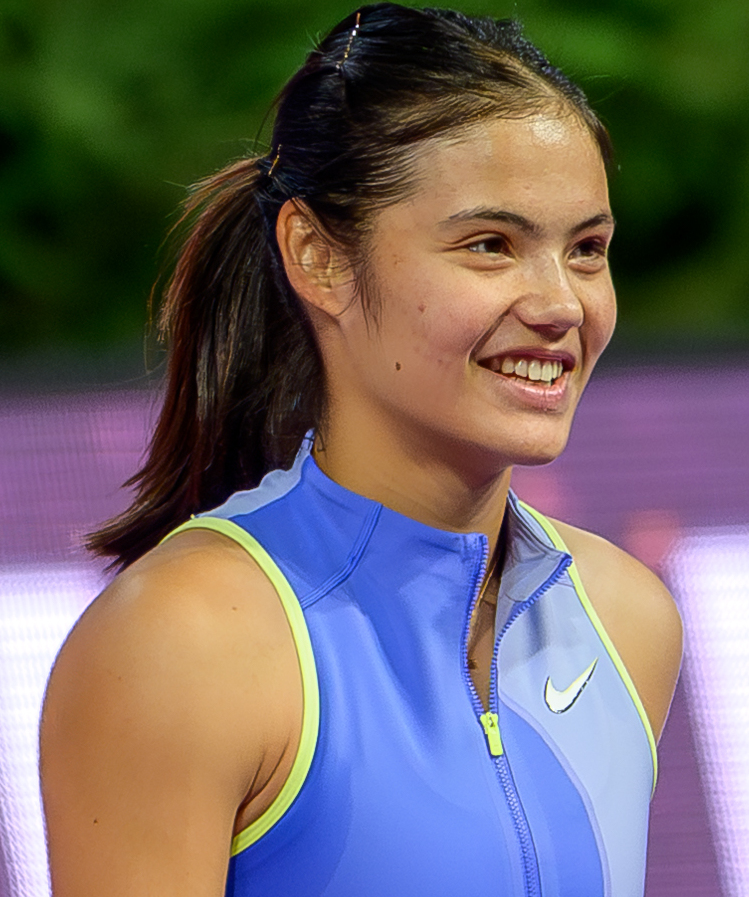
Emma Raducanu's New Coaching Strategy: Rediscovering Her Game
The journey of a Grand Slam champion is rarely straightforward, and for Emma Raducanu, the path since her seismic 2021 US Open victory has been anything but conventional. As she navigates the demanding world of professional tennis, Raducanu is now undertaking a significant "total reboot" of her approach, particularly concerning her coaching setup. Moving away from the traditional model of a single, full-time mentor, the British star is embracing a more fluid strategy: "tapping into a few people" to rediscover her innate playing style and enjoyment for the game.
This shift represents a pivotal moment for Raducanu, who has openly expressed a desire to reconnect with the free-hitting, instinctive tennis that propelled her to an astonishing major title as an qualifier. After a period of trying to adapt to various coaching directives, she's now prioritizing personal intuition and comfort over prescriptive instruction, a move that could redefine the trajectory of her career.
The Philosophy Behind the Shift: Why a New Raducanu Coaching Model?
Emma Raducanu's decision to diverge from the conventional full-time coaching path stems from a series of experiences that have shaped her perspective since her US Open triumph. The scrutiny faced by any coach associated with a player of her profile is immense, a pressure Raducanu herself acknowledges.
- Disagreement on Playing Style: Her partnership with Francisco Roig, for instance, concluded after January's Australian Open due to disagreements over her playing style. This wasn't an isolated incident, but rather a recurring theme in her brief professional career, having worked with seven full-time coaches previously. Raducanu explicitly stated, "I have had a lot of people telling me what to do, how to play, and it hasn't necessarily fit."
- Rediscovering Instinct: At the heart of her new strategy is a profound desire to "bring my instincts back out" and "get back in touch with myself." She feels that her natural way of playing, the very essence of her US Open success, has been "coached out of me a little bit." This is a critical insight for any athlete: the balance between technical refinement and maintaining an authentic, instinctive approach. Over-coaching, or receiving conflicting advice, can sometimes dilute a player's natural strengths and confidence.
- Avoiding Scrutiny and Pressure: The intense media spotlight on Raducanu means that any new coach, even on a trial basis, would be immediately "scrutinized." This pressure, she fears, could force her to stick with a coach even if the fit isn't ideal. By opting for a flexible approach, she aims to mitigate this external pressure, allowing her to make decisions based purely on what feels right for her game and well-being. This innovative approach is explored further in Why Emma Raducanu Is Wary of Full-Time Coaches.
This isn't to say she's closed off to a full-time coach entirely, but rather that she's looking for a very specific dynamic—one where she maintains agency and where advice complements, rather than dictates, her inherent style.
Assembling the Support System: Who's in Raducanu's Corner?
Instead of a singular voice, Raducanu is embracing a collaborative model, drawing on expertise from various sources. This network approach allows her to "tap into a few people here and there," gathering insights that resonate with her personal goals.
- Mark Petchey: The Ad Hoc Mentor
At the top of her current list is Mark Petchey, a familiar face from her past. Petchey, known for coaching Andy Murray early in his career and his role with the Tennis Channel, has a history of successful ad hoc collaborations with Raducanu. He joined her team during her run to the Miami quarter-finals last March and was a regular presence throughout the clay-court season, including her impressive fourth-round finish in Rome.
Raducanu specifically sought Petchey's help when she felt uncomfortable with her game. Their sessions have yielded positive results, with Raducanu expressing, "I work really well when I'm with him. I'm really happy to be on the court and just really enjoy it overall." This connection highlights the importance of synergy and enjoyment in a coaching relationship, even if it's on a day-to-day basis. For more on this dynamic, see Mark Petchey & Raducanu's Reboot: Indian Wells Coaching Insights.
- Alexis Canter: The Consistent Hitting Partner
Alongside Petchey, Alexis Canter plays a crucial role. While Canter has limited formal coaching experience and often takes a back seat when Petchey is present, he has been a consistent figure as Raducanu's hitting partner. Their partnership has seen success, including a semi-final run in Washington last summer and her second career final in Cluj last month. Canter provides continuity and a familiar presence on court, facilitating the high-quality practice necessary for an elite athlete.
This "team of advisors" approach allows Raducanu to cherry-pick advice, ensuring that the input she receives aligns with her vision for her game. It's a pragmatic way to gain diverse perspectives without the commitment and pressure of a single, all-encompassing coaching voice.
Rediscovering the "Natural Game": What Does This Mean for Raducanu's Future?
The phrase "rediscovering her natural way of playing" is more than just a tagline; it's the core objective of Raducanu's new strategy. Her US Open victory was characterized by fearless, aggressive hitting and an almost audacious freedom on court – qualities that have been harder to consistently harness since. For Raducanu, the natural game implies:
- Instinctive Play: Trusting her gut decisions on court rather than overthinking or adhering strictly to pre-planned tactics that might not feel authentic. This involves reactivating the spontaneous decision-making that often comes with comfort and confidence.
- Enjoyment and Freedom: A return to playing with genuine enjoyment, which often translates into less pressure and more fluid movement and stroke-making. "At the start of the year, I wasn’t feeling too good about my game, and I was playing in a way I didn’t necessarily enjoy," she confessed. Reconnecting with the joy of playing is paramount for long-term success and mental well-being.
- Aggressive Baseline Tennis: The signature style that saw her unleash powerful groundstrokes and serve with conviction. This involves feeling comfortable dictating rallies and taking calculated risks, rather than playing conservatively.
Practical Tips for Athletes (and Beyond): Balancing Guidance with Instinct
Raducanu's journey offers valuable lessons:
- Self-Awareness is Key: Understand your natural strengths and what truly motivates you. What makes you feel most confident and effective?
- Seek Diverse Perspectives: Don't be afraid to get advice from multiple sources, but always filter it through your own understanding and goals.
- Trust Your Gut: While expert advice is invaluable, your intuition about what feels right for *you* should always hold significant weight.
- Prioritize Enjoyment: Long-term success often correlates with genuine passion and enjoyment. If the process isn't enjoyable, it's harder to sustain excellence.
- Be Patient with "Unlearning": If you feel you've been "coached out" of something, understand that relearning your natural way takes time, practice, and a supportive environment.
By focusing on these elements, Raducanu hopes to unlock the consistency and breakthrough potential that have been elusive since her historic win. Her current healthy status, having recovered from a chest infection that impacted her Doha and Dubai performances, provides a fresh slate for this endeavor.
Beyond the Court: Psychological and Strategic Implications
Raducanu's new coaching strategy extends beyond technical adjustments; it has significant psychological and strategic implications for her career:
- Empowerment and Autonomy: This approach grants Raducanu greater control over her development. By choosing who she "taps into" and which advice to integrate, she becomes the primary architect of her game. This player-led model can foster greater ownership and resilience, crucial for a young athlete under intense public scrutiny.
- Reducing External Pressure: The constant narrative around her coaching changes has been a source of immense media attention. By adopting a more private, flexible model, she aims to reduce this external noise, allowing her to focus more on her tennis and less on managing public perception of her support staff. This creates a safer, less scrutinized environment for experimentation and growth.
- Long-Term Sustainability: Is this a sustainable model for elite tennis? While unconventional, it might be exactly what Raducanu needs at this stage. It allows her to experiment with different ideas and personalities without long-term commitments, helping her identify the ideal coaching partnership (or blend of partnerships) that truly checks all her boxes, if and when that time comes. For now, it's a necessary transitional phase to rebuild confidence and clarity.
- Adapting to Modern Tennis: Modern tennis is increasingly individualized. Players often have larger teams that include fitness coaches, physios, and mental performance specialists, with the 'head coach' sometimes acting more as a coordinator or sounding board. Raducanu's approach could be seen as an extreme, yet logical, extension of this trend, prioritizing specialized input when and where it's needed most.
The decision underscores Raducanu's maturity and her clear understanding of what she needs as an individual player, rather than conforming to perceived norms. It's a strategic move to prioritize her mental space and on-court comfort above all else.
Conclusion
Emma Raducanu's new raducanu coaching strategy marks a significant departure from convention, signaling a bold commitment to self-discovery and a quest for genuine enjoyment in her sport. By moving away from the pressures of a single, full-time coach and instead "tapping into a few people" like Mark Petchey and Alexis Canter, she aims to strip away external expectations and reconnect with the instinctive, free-hitting style that once captivated the tennis world. This "total reboot" is more than just a coaching adjustment; it's a profound re-evaluation of her career path, prioritizing personal agency, mental well-being, and the rediscovery of the sheer joy of playing tennis. While unconventional, this flexible approach could be the key to unlocking the sustained success and consistency that Emma Raducanu so keenly desires, proving that sometimes, the best way forward is to look within.